
Somewhere around mile two, it hits. That sharp, stabbing pain under your ribs that makes you want to stop, double over, and seriously reconsider your life choices. You've been told it's a cramp. You've been told to push through it. You've been told to eat less before running, drink more water, stretch differently. And maybe some of that has helped—but probably not much, because the real issue is almost certainly your breathing.
Most people treat breathing during exercise like an afterthought. You run, you breathe harder. You lift, you maybe grunt. Beyond that, it's chaos. But small, deliberate tweaks to how you breathe can eliminate side stitches, improve your endurance and pacing, and help you stay composed when effort gets intense. These aren't vague lifestyle suggestions—they're specific, mechanical adjustments you can make on your next workout.
The Right-Side Stitch (and How to Kill It Mid-Run)
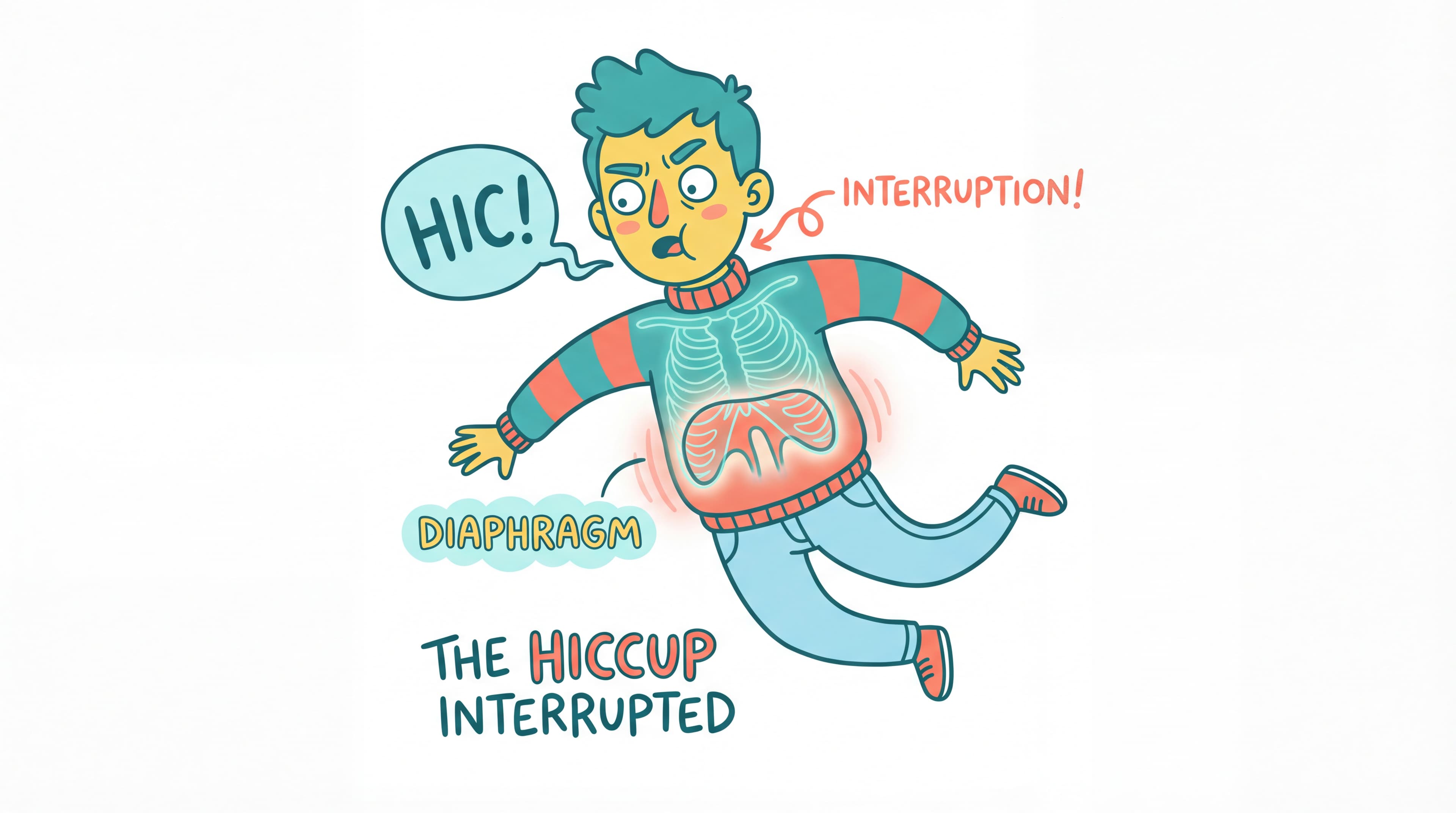
That classic side stitch—the stabbing pain on your right side during running—is usually not a muscle cramp, despite what most people assume. It's more likely a referred sensation from the phrenic nerve and the structures around your diaphragm and liver. The phrenic nerve controls your diaphragm, and when breathing becomes uncoordinated or inefficient during effort, the nerve and surrounding tissue can produce that sharp, localized pain.
The fix is surprisingly effective: do two to three physiological sighs without stopping. Keep jogging, but drop your pace slightly. Then do a long inhale through your nose, a second shorter inhale through your nose, and a long exhale through your mouth. Repeat two or three times.
This works because it alters the firing pattern of the phrenic nerve and resets diaphragmatic activity. You're essentially interrupting the dysfunctional rhythm that's producing the pain and replacing it with a deliberate, coordinated one. Most people feel the stitch ease or disappear within a few breaths. If it persists, slow down a bit more, do another couple of sighs, and resume your normal pace once the pain subsides.
Left-Side Stitches: A Different Animal
If the pain is on your left side, it's usually a different story. Left-side stitches are more often related to what's happening in your gut—gas, fluid sloshing around, or the stomach jostling against the diaphragm during impact.
The breathing fix still helps (smoother, more rhythmic breaths reduce the jarring), but you'll also want to look at timing your pre-run food and fluid intake. Eating too close to a run, or drinking large amounts of water right before, is the most common trigger. The physiological sigh can take the edge off, but if left-side stitches are a recurring problem, the answer is probably upstream in your nutrition timing.
Nasal Breathing for Endurance (and When to Drop It)
For low to moderate intensity—zones one and two, the kind of effort where you could hold a conversation—aim to breathe through your nose as much as possible. Nasal breathing naturally encourages diaphragmatic engagement, helps maintain a better CO2 balance, and tends to keep your effort more aerobic, which delays early fatigue.
The key word is "default." Nasal breathing should be where you start, not where you stubbornly stay when intensity climbs. Once you hit higher zones and your body needs maximum airflow, switch to mouth breathing without guilt. You're trading efficiency for volume, and that's exactly the right move at high intensity.
A useful mental model: breathe through your nose by default, and think of mouth breathing as a tool you deploy when intensity demands it—not a failure mode you fall into by accident.
Syncing Breath and Movement
Many runners and lifters perform noticeably better when they lock their breathing into a deliberate rhythm rather than letting it happen randomly.
For running, try matching your breath to your footfalls: inhale for three to four steps, exhale for three to four steps. Adjust the ratio based on what you need—longer exhales if you're feeling panicky or your heart rate is spiking, shorter cycles as intensity increases. The rhythm acts as a governor, preventing your breathing from becoming chaotic and inefficient when effort rises.
For lifting, the general pattern is to inhale during the eccentric (lowering) phase and exhale during the concentric (effort) phase. On a squat, for example: inhale deeply at the top, hold or exhale slightly as you descend, then exhale more forcefully as you drive up. This coordinates your intra-abdominal pressure with the demands of the movement and gives you a more stable, powerful base.
Advanced techniques like the Valsalva maneuver—holding a pressurized breath during the hardest part of a lift—have their place for heavy loads, but they come with blood pressure trade-offs and are best learned under coaching rather than from a blog post.
CO2 Tolerance: The Hidden Endurance Variable
Your ability to tolerate rising CO2 levels is one of the most underappreciated factors in endurance performance. When CO2 builds up during effort, your brain sends increasingly urgent "breathe harder" signals. If your tolerance is low, those signals come early and loud—you feel like you're dying at a pace you should be able to sustain. If your tolerance is high, you stay composed and efficient deeper into the effort.
The same CO2 tolerance training covered in earlier posts—box breathing, slow exhale drills—translates directly to athletic performance. A higher CO2 tolerance means more relaxed breathing at a given pace, a delayed onset of "air hunger," and less panic when intensity spikes. It's the kind of adaptation that doesn't show up on a spec sheet but makes a real difference on race day.
A Two-Minute Pre-Workout Primer
Before you run, cycle, or lift, try this simple warm-up for your breathing system. Sit or stand tall for two to three minutes. Take five to ten slow nasal breaths—about four seconds in, six seconds out. Finish with one or two physiological sighs.
This does three things: it calms pre-workout nerves, promotes better diaphragmatic engagement from the start, and puts you in a more composed, responsive state at the beginning of your session. It's the difference between starting from a frantic, shallow-breathing place and starting from a grounded, efficient one.
Your Breathing as a Feedback Signal
Beyond being a tool you use, your breath is also a signal you can read. If your breathing becomes chaotic, gaspy, and shallow during a workout, that's your body telling you you've outpaced your current capacity. Consider easing off slightly, regaining a rhythmic breathing pattern, then building back up. Fighting through disordered breathing usually just digs you deeper into oxygen debt.
On the other hand, if your breathing feels strong, rhythmic, and under your control, you're operating at a sustainable level—or at least an intentionally challenging one. That's the zone where real fitness adaptations happen.
Breathing is the one system that touches everything—energy, mindset, muscle performance—and that you can control in real time. Athletes who learn to use it deliberately, rather than just enduring whatever happens, gain an edge that's quiet but powerful. It won't show up on a leaderboard by itself, but it changes the experience of every workout, every race, and every hard effort you put in.
About the Author: Marco Salcedo writes about simple, science-based tools for regulating stress and improving performance. His work focuses on practices you can use in real time, without special equipment.